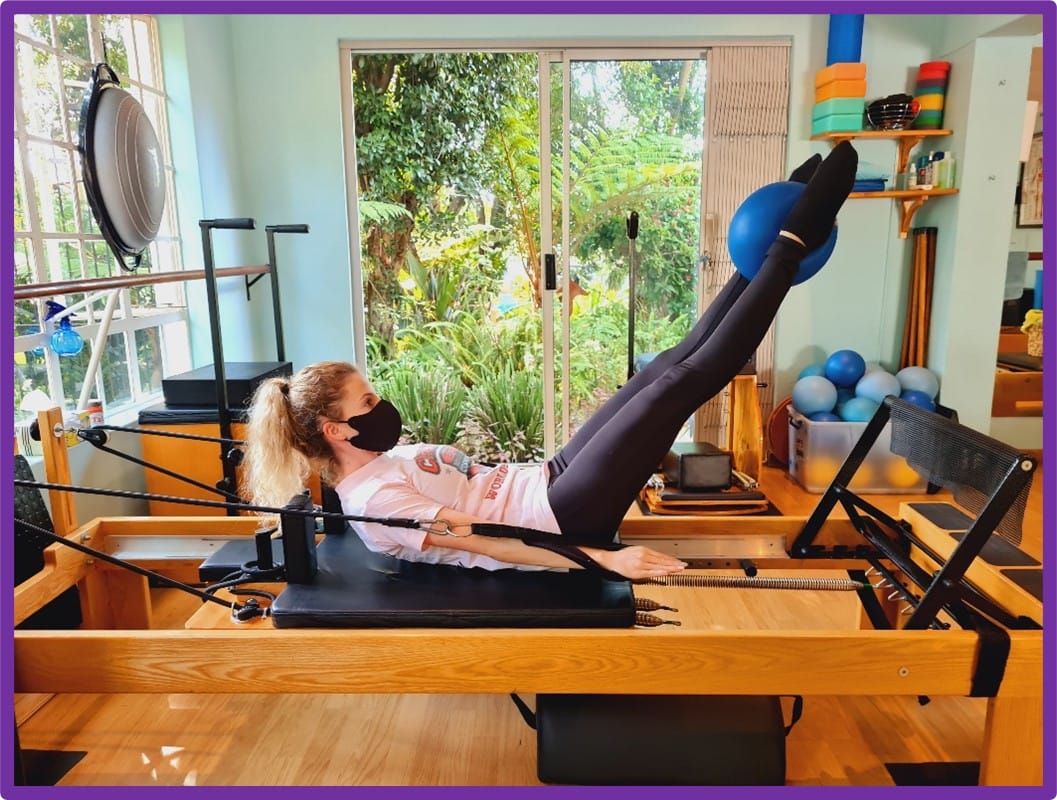
Author: admin

  • Pilates Instructor Courses in Johannesburg: How Do I Become a Pilates Instructor?

    Pilates Instructor Courses in Johannesburg: How Do I Become a Pilates Instructor?

    Why study to become a Pilates Instructor at Pilates Dynamics?

    So What Is Pilates?

    The creator of Pilates, Joseph Pilates, believed that physical and mental health were closely connected. During the various exercises your mind needs to be constantly aware of your breathing and the way your body moves. Pilates is a form of exercise which concentrates on strengthening the body with an emphasis on core strength, overall well-being, balance and flexibility.  Pilates also focusses on correcting muscle imbalances so often created by either incorrect postural patterns in daily life or engaging in certain types of sports.  How often have you heard of people injuring themselves whilst engaging in personal training or exercising at a gym or fitness centre?  Doing Pilates lowers your risk of injury and teaches you correct movement patterns during strenuous forms of exercise, creating longevity.

    Why become a Pilates instructor?

    1. You Love Exercise or Pilates: While you study to become an instructor, you will live, breathe, and eat Pilates, and if this appeals to you, then you should go ahead and sign up for classes at a Pilates studio or Pilates teacher training centre.
    2. You Want To Get Out Of The Office environment: Tired of the same old?  Pilates is the perfect opportunity to change your career at any given time.
    3. You Want To Help People: Once you see your students progressing, getting better, and getting fitter, you will feel a sense of accomplishment like no other.
    4. You Want To Teach, but also learn as much as possible: There is a much deeper meaning to the teachings of Pilates, and as a teacher, you will continuously engage in further studies in order to understand the body better and to become a more effective Pilates teacher.
    5. You Want A Flexible Schedule: Perhaps one thing that draws people into Pilates teaching is the fact that you can set your own schedule, at least to a certain point. If you want more time to do other things (like spending time with your family or engage in other activities), then a being a Pilates teacher could be one of the best decisions you make.

    Do you need more information on how to become a Pilates Instructor at Pilates Dynamics?

    Set up a meeting to view the studio and the Pilates Training Centre.  Do you need more information from one of our knowledgeable lecturers?  Then contact us to pop in and come chat to us so that you see what we are all about.

    Our course is internationally recognised with global affiliations and professional associations and is presented by instructors who have been exposed to numerous styles of Pilates and have many years of training and education experience (both nationally and internationally).

    We will prepare you for the Harvard of the International Pilates world.

    How to register to study the Pilates Instructor Course?

    • Sign up on our website.
    • Download the information pack for more information.
    • Complete the application form and payment options online on our Teacher Training Certified Training webpage.
    • All the information and pricing as well as payment options is on that page as well. It really is that easy!

    You can contact info@pilatesdynamics.co.za or phone us on 0117925459 or 0729992229 for more information.
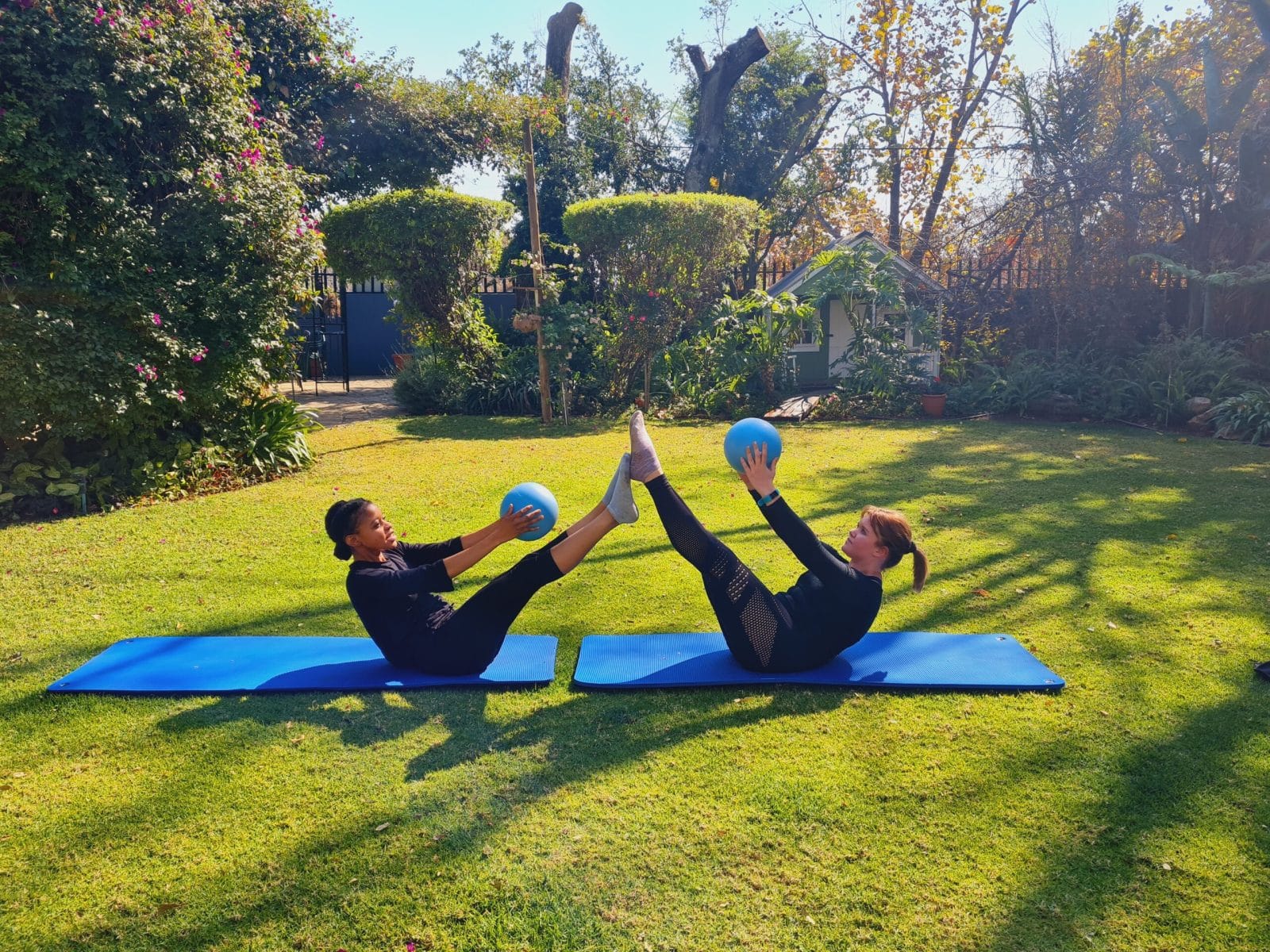
  • Pilates for Scoliosis in Randburg, Johannesburg

    Pilates for Scoliosis in Randburg, Johannesburg

    During the schooling years when all that mattered was looking cool and doing the minimalist I recall teachers continuously chanting ;“ do not carry your heavy bag on one shoulder , place your backpack on both shoulders, turn your chair around to face her don’t sit rotated in that manner, don’t lean to one side like that- stand up straight” and the list goes on, all these phases meant nothing to me at the time , until I discovered SCOLIOSIS and other back related conditions.

    Scoliosis is on the rise, approximately 3 million new cases of scoliosis are diagnosed each year, with scoliosis becoming so prevalent in both children and adults the global scoliosis treatment market has been finding different ways in which to treat scoliosis and help manage the pain. Pilates has been listed as one of the conservative treatments proven to be very effective when it comes to managing pain associated with scoliosis and strengthening the back region.

    But what is scoliosis?

    Scoliosis is the sideways curvature of the spine. The Greek word Skoliosis means “crookedeness” from the root word skolios, “bent or crooked”. Leading to the word scoliosis which is the abnormal sideways curvature of the spine into a C or S shape. Scoliosis results to great amount of imbalance within the skeletal system causing pain, discomfort, and tension in the back.

    What are the types of scoliosis?

    There are several types of scoliosis varying from congenital to neuromuscular.  All kinds of scoliosis involve some degree of spinal bending, some are worse than others. Idiopathic is the most common type of scoliosis. This means that the cause is unknown or that there is no single factor that contributes to the development of the disease.

    What are the Causes of scoliosis?

    • Certain neuromuscular conditions, such as cerebral palsy or muscular dystrophy.
    • Birth defects affecting the development of the bones of the spine.
    • Previous surgery on the chest wall as a baby.
    • Injuries to or infections of the spine.
    • Spinal cord abnormalities

    Does Pilates training benefit scoliosis?

    • Pilates may assist in stopping the process of bending within the spine. Pilates has been found to improve the Cobb angle in the spine.
    • Pilates has been reported to change the trunk flexibility through back bone segmentation movement and improve lateral bending of the spinal column.
    • Improve posture with its focus on alignment and rotational movements which increases core stability.
    • Strengthening the core which will provide additional support for the back.
    • Improve the flexibility which will reduce tension, discomfort, muscle pain and stress.

    Which Pilates exercises are good for scoliosis?

    • Practicing good posture

    Posture is one of the major factors in Pilates. An individual is not only instructed to stand correctly but is also made aware of the posture during movement resulting to an increased consciousness of one’s own posture. Good posture can reduce pain and muscle tension. Several times a day, a person can realign their body to help them learn to stand with good posture naturally.

    • Pelvic tilts

    Pelvic tilts will help stretch tight muscles in the hips and lower back. It also teaches individuals how to work in their neural pelvis.

    • Pelvic curl

    Assists in releasing any back tension as well as increase mobility at the spine due to segmented movements.

    • Cat camel stretch

    It can help keep the spine flexible and pain-free.

    • Quadruped/bird bog

    Strengthens the back and develops pelvic lumbar stability.

    • Toe taps

    Having strong abdominal muscles can help take some of the pressure off the back muscle. It can also help a person maintain good posture.

    • Swimmer

    Strengthen the lower back with arm and leg raises.

    With continuous practice of Pilates, one will start to see a difference in their posture, reduction in bodily tension, and increased flexibility.

    It is only after my discovery Pilates, that I realized how important it is to stand, walk, sit correctly during our everyday lives to avoid exacerbating any spinal conditions such as scoliosis.

    Pilates Dynamics only employ well-trained and qualified teachers.  To book classes at Pilates Dynamics, contact 011-792 5459 or 072 999 2229 or email info@pilatesdynamics.co.za